Introduction
Chronic wounds, particularly diabetic foot ulcers (DFUs) and venous leg ulcers (VLUs), represent a substantial global clinical and economic burden and are associated with high rates of morbidity, recurrence, and healthcare resource utilization.1-3 DFUs affect a significant proportion of individuals with diabetes and are associated with increased risk of infection, hospitalization, and limb loss.4 The five-year mortality rate after a DFU-related amputation has been reported to be comparable to mortality rates seen in certain cancers.1,4 In the United States, DFUs account for over 100,000 amputations, and are associated with increased mortality risk.1,5 VLUs, the most common chronic lower-limb ulcer, account for approximately $3.5 billion in US healthcare-related costs, including more than $1.1 billion in Medicare expenditure.6 The burden is not only economic but also adversely affects the patient’s quality of life and long-term health status, with increased risk of delayed healing, ulcer recurrence, recurrent hospitalization, and limb loss.
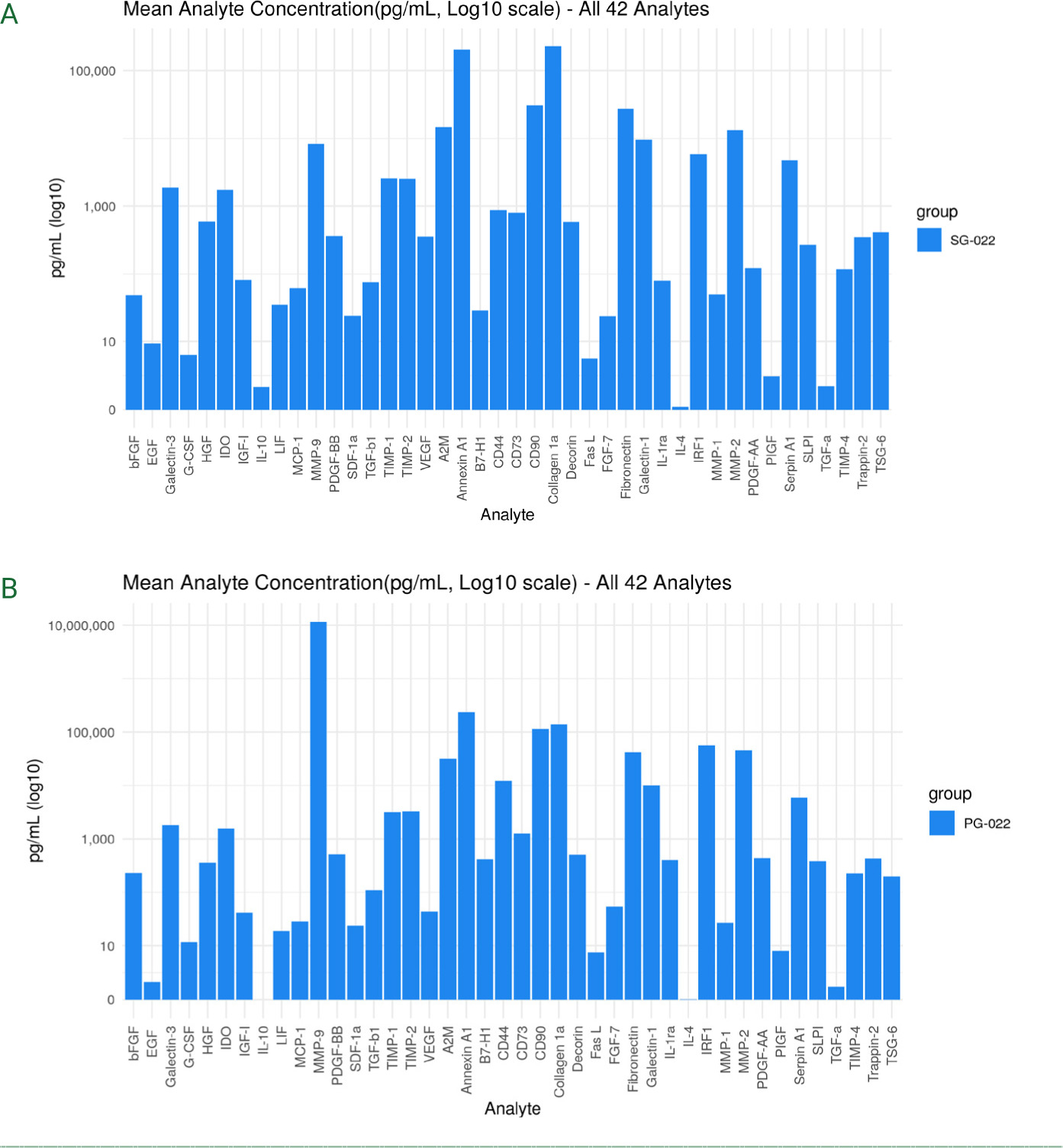
Cellular, acellular and matrix-like products (CAMPs) – including placental-derived allografts – have demonstrated potential in accelerating closure of chronic lower extremity wounds when standard-of-care (SOC) treatment alone is insufficient.7 CAMPs provide a protective matrix intended to support physiologic wound healing processes. In randomized, controlled trials (RCTs), placental-derived allografts have demonstrated improved closure rates and time to closure which have been associated with their extracellular matrix scaffold, low immunogenicity, and anti-inflammatory and regenerative properties.8 Excellion-processed amnion/chorion allograft (EPACA) (PelloGraft, Surgenex, LLC, Scottsdale, Arizona, USA) and Excellion-processed amniotic allograft (EPAA) (SanoGraft, Surgenex, LLC, Scottsdale, Arizona, USA) have been developed using a proprietary processing method intended to preserve structural and biologically relevant components of placental tissue. Independent laboratory analysis (RayBiotech, Peachtree Corners, Georgia, USA) identified measurable levels of selected analytes in these placental-derived allografts (Figure 1) consistent with prior proteomic analyses,9 suggesting preservation of selected molecular components; however, the functional relevance of analyte retention remains to be determined.
FIGURE 1 EPAA and EPACA analytes from independent laboratory analysis. A) EPAA analytes. B) EPACA analytes
Numerous RCTs and real-world data have evaluated the clinical effectiveness and cost-effectiveness of different placental allograft configurations and processing methodologies in the DFU and VLU populations.7,10-12 Additional focus may be placed on amniotic-based allografts as a class of technology if all inherent regulatory proteins are retained post-processing.13 However, the 2020 Agency for Healthcare Research and Quality (AHRQ) technical brief on skin substitutes identified methodological heterogeneity, short follow-up windows, inconsistent endpoint definitions, and limited long-term outcome data as barriers to definitive conclusions regarding comparative effectiveness and cost effectiveness of skin substitutes.11
A multicenter post-market randomized controlled trial is being conducted evaluating clinical outcomes and quality of life with EPACA and EPAA compared with SOC for treatment of chronic DFU and VLU. The present report does not evaluate comparative clinical efficacy, instead it focuses on the biologic and clinical characterization of the two Excellion-processed placental allografts and the study design elements implemented to enhance scientific rigor, reproducibility, and alignment with contemporary evidence standards for chronic wound trials.
Methods
Study design
This multicenter, open-label RCT evaluates the EPACA dual-layer amnion and chorion allograft vs SOC for patients with a DFU and the EPAA single-layer amnion allograft for patients with a VLU. Both products are dehydrated allograft tissue matrices that are terminally sterilized via electron beam to achieve a Sterility Assurance Level (SAL) of 10-6 and applied topically as protective biologic coverings in the management of chronic non-healing ulcers including diabetic, pressure, and venous ulcers.
The study protocol was approved by the WCG institutional review board (IRB00000533, formerly Western IRB) and conducted in accordance with the Declaration of Helsinki, the Belmont Report: Ethical Principles and Guidelines for the Protection of Human Subjects of Research, and International Conference on Harmonisation Good Clinical Practice Guidelines. Written informed consent was obtained from each participant prior to collection of study data and/or specimens.
Participants and treatments
Eligible participants were adults (≥18 years) with a type 1 or type 2 diabetes-related DFU (≥1-25 cm2) or VLU (≥1-50 cm2) meeting all inclusion criteria and none of the exclusion criteria outlined in Table 1. After a two-week run-in period, participants were randomized 1:1 to receive EPACA vs SOC for DFU or EPAA vs SOC for VLU, with randomization stratified by ulcer type. EPACA or EPAA was applied topically following wound bed preparation (including debridement) and wound measurement and secured with secondary dressings. SOC followed current clinical practice, including complete tissue debridement; cleansing with non-toxic solution or sterile saline; addressing odor, bleeding, itching, wound exudate and pain; offloading for DFUs; compression for VLUs; collagen, hydrocolloid, hydrogel, or foam dressing for draining/exudative wounds; and occlusive wound dressing (e.g. standard gauze) for non-draining wounds.
TABLE 1 Inclusion and exclusion criteria
| Criteria | Participants with diabetic foot ulcer (DFU) | Participants with venous leg ulcer (VLU) |
|---|---|---|
| Inclusion criteria | ||
| Age | >18 years | >18 years |
| Gender | Male or female | Male or female |
| Wound type | DFU; foot, does not extend above ankle | VLU |
| Wound duration | ≥ 4 weeks | ≥ 4 weeks |
| Run-in period | 2 weeks with <30% reduction | 2 weeks with <30% reduction |
| Wound size | >1.0 cm2and <25 cm2 | >1.0 cm2and <50 cm2 |
| General health | Type 1 or 2 diabetes, peripheral vascular disease | Peripheral vascular disease; type 1 or 2 diabetes |
| Comorbidities | Cardiovascular, kidney, diabetes management, smoking | Cardiovascular, kidney, diabetes management, smoking |
| Exclusion criteria | ||
| Gender | Pregnant or -feeding | Pregnant or breast-feeding |
| Diabetes management | HbA1C >12 | HbA1C >12 |
| TCOM | ≤ 30mmHg | ≤ 30mmHg |
| Wound infection | Active infection; undrained abscess, or critical colonization of the wound with bacteria | Active infection; undrained abscess, or critical colonization of the wound with bacteria |
| Osteomyelitis | Exposed bone, probes to bone or joint capsule on investigator’s exam or radiographic evidence or bone culture, histology, x-ray changes or MRI | Exposed bone, probes to bone or joint capsule on investigator’s exam or radiographic evidence or bone culture, histology, x-ray changes or MRI |
| Wound size | <1.0 cm2and >25 cm2 | <1.0 cm2and >50 cm2 |
| ABI | >0.7 and <1.2 | >0.7 and <1.2 |
| Cancer | Undergoing cancer treatment | Undergoing cancer treatment |
| Immunosuppressants | Parenteral corticosteroids or cytotoxic agents for 7 consecutive days before screening. Chronic oral steroid use is not excluded if dose is <10 mg per day of prednisone | Parenteral corticosteroids or cytotoxic agents for 7 consecutive days before screening. Chronic oral steroid use is not excluded if dose is <10 mg per day of prednisone |
| Prior treatment | Skin substitute within 30 days of enrollment | Skin substitute within 30 days of enrollment |
| Allergy | Suture material | Suture material |
Assessments
Study assessments included medical history, wound measurement, blood flow measurement, and administration of the 36-Item Short Form Health Survey questionnaire (SF-36). The primary endpoint was the proportion of participants achieving 100% wound epithelialization at 12 weeks (DFU) or 16 weeks (VLU) as assessed by the treating investigator using the eKARE inSight platform and confirming no drainage and no need for additional dressing. Secondary endpoints included time to healing, adverse events, and quality of life assessed with SF-36. To address the 2020 AHRQ technical brief’s request for long-term wound closure data,11 the full study includes a 2-week follow-up visit after closure and a 6-month follow-up phone interview to confirm wound status/closure. These outcomes are planned for reporting following completion of the full study population analysis.
Statistical analysis
The main objective of the study is to show superiority of EPACA compared to SOC treatment in DFUs and superiority of EPAA compared to SOC in treating VLUs. Planned enrollment of 180 participants (80 DFU and 100 VLU) was calculated to provide 80–90% power to detect between-group wound closure differences of 45% for DFU and 40% for VLU at an α level of 0.05. The study was prospectively powered to evaluate treatment superiority in the full enrolled population. However, analyses presented here are descriptive and intended to support product and design characterization rather than hypothesis testing. Formal hypothesis testing is not performed in this analysis. Descriptive statistics are provided for wound closure timing, safety outcomes, and quality-of-life measures to provide preliminary clinical context within the broader framework of biologic plausibility and study rigor.
Results
Multiplex immunoassay analysis demonstrated consistent detection of extracellular matrix components, cell-associated markers, immunomodulatory proteins, growth factors, and protease regulatory molecules across all evaluated amnion/chorion tissue allografts, with quantitative variability observed between samples and product groups. Structural ECM proteins, including collagen type I, fibronectin, and decorin, were detected in all specimens, indicating broad preservation of matrix constituents, although fibronectin showed greater inter-sample variability.
Mesenchymal-associated markers (CD44, CD73, CD90) were present across all products, with CD90 among the most abundant analytes. Multiple immunomodulatory and anti-inflammatory proteins, including annexin A1, SLPI, TSG-6, B7-H1, and the protease inhibitor alpha-2-macroglobulin, were consistently detected, supporting retention of immune-regulatory molecular components. Growth factors and angiogenic mediators (FGF-7, PDGF-AA, PlGF, and TGF-α) were measurable in most samples, albeit at lower concentrations and with greater variability. Protease balance and matrix remodeling pathways were represented by detectable levels of MMP-2, TIMP-4, serpin A1, and trappin-2 across all specimens. Collectively, no analytes were universally absent across product groups, indicating broad molecular retention despite quantitative differences among products (Table 2).
TABLE 2 Identification of analyte by mechanism of action
| Category | Proteins |
|---|---|
| Anti-inflammatory/immunomodulatory | IL-10, IL-1RA, IL-4, TSG-6, LIF, Annexin A1, IDO, B7-H1 (PD-L1), IRF1, FAS Ligand, Serpin A1 (A1AT), A2M |
| Pro-regenerative growth factors | TGF-β1, TGF-α, PDGF-AA, PDGF-BB, VEGF-A, bFGF, HGF, EGF, FGF-7, IGF-1, PIGF, GCSF |
| Extracellular matrix/remodeling | Fibronectin, Collagen I α, Decorin, MMP-1, MMP-2, MMP-9, TIMP-1, TIMP-2, TIMP-4 |
| Antimicrobial/barrier support | SLPI, Trappin-2 (Elafin) |
| Stem cell recruitment/homing | SDF-1α, MCP-1 |
| Cell adhesion and signaling | Galectin-1, Galectin-3, CD73, CD90, CD44 |
Discussion
Chronic DFUs and VLUs represent persistent clinical challenges characterized by prolonged healing, high recurrence, and disproportionate healthcare resource use. The burden of disease encompasses direct medical costs, frequent clinic visits, and downstream expenditures related to infection, hospitalization, and limb salvage procedures.11 Given these consequences, therapies that reliably accelerate closure or prevent recurrence may provide both clinical and economic value.3,12
A large body of RCTs supports the utility of CAMPs to improve healing outcomes when used as adjuncts to SOC. Several multicenter RCTs of placental-derived products have reported higher rates of complete healing and faster time to closure compared with SOC in DFU populations.12 Likewise, trials of acellular dermal matrices and umbilical-derived allografts have demonstrated favorable healing trajectories relative to SOC in chronic wounds.13,14 These studies collectively contribute to the growing evidence base for this products class while underscoring heterogeneity across products, endpoints, and study populations.
Economic evaluations and cost-effectiveness modelling from Medicare data have suggested that although CAMPs incur higher upfront product costs compared with SOC dressings, the aggregate cost per healed wound may be favorable when accounting for fewer clinic visits, avoidance of complications and a reduction in amputations.15,16 These analyses suggest potential cost savings or acceptable incremental cost-effectiveness ratios in patients at elevated risk of prolonged non-healing wounds.
This study was intentionally designed to address key methodological shortcomings identified in the 2020 AHRQ technical brief on skin substitutes which highlighted methodological limitations that complicate cross-study comparisons and limit translation to policy, including inconsistent case mix and endpoint definitions, variable use of run-in periods, and short follow-up windows for assessing durability and recurrence. These limitations have informed contemporary trial design and were intentionally addressed in the present protocol where feasible.11 For this study, we chose a 2-week run-in period with <30% reduction in wound size. Most enrollees were receiving wound care for their chronic wound with a provider prior to joining the study. Per recommendations in the AHRQ report, this study lasted a minimum of 12 weeks for participants with a DFU and 16 weeks for those with a VLU. A six-month period was also included to monitor and report wound recurrence per the report recommendation.
The multiplex protein profile of EPACA and EPAA allografts demonstrates broad preservation of biologically relevant molecular constituents spanning structural, immunomodulatory, and regulatory pathways, despite quantitative variability across products. Consistent detection of key extracellular matrix proteins supports maintenance of matrix integrity and provides a biochemical basis for structural support and cell–matrix interactions following implantation. The presence of mesenchymal-associated surface markers across all samples suggests retention of molecular features characteristic of native tissue; however, these findings reflect protein content rather than viable cellular function. Notably, the abundance of immunomodulatory and protease-regulatory molecules, including annexin A1, SLPI, TSG-6, and alpha-2-macroglobulin, aligns with the reported anti-inflammatory and tissue-protective properties of amnion/chorion-derived materials.10 Detection of multiple growth factors and angiogenic mediators, although present at low and variable concentrations, suggests potential support for tissue repair and remodeling processes. Collectively, these results indicate that EPACA and EPAA allografts retain a complex and functionally relevant molecular milieu, while observed inter-product variability likely reflects differences in donor characteristics and processing methods rather than loss of key biological components. Independent laboratory confirmation of analyte retention provides preliminary biologic plausibility and supports proposed mechanisms of action consistent with prior characterization studies within this biologic class.9,10 Furthermore, the characterization data support evaluation of EPACA and EPAA within a rigorously designed randomized controlled trial framework intended to meet regulatory, payer, and evidentiary standards. Key strengths of the study design include its prospective, multicenter structure, enrollment of patients with hard-to-heal wounds, use of validated digital wound assessment methodologies, and integration of patient-reported outcome measures. Limitations include the open-label design and the descriptive nature of the data presented here. These factors should be considered when interpreting the findings, which is to establish credibility of the study design and to clinically contextualize the Excellion-processed allografts ahead of full population analyses.
Study design elements align with AHRQ recommendations and improve internal validity relative to trials without these features. The trial’s design, broad inclusion criteria, and objective outcome assessment enhance generalizability. Final analyses in the full study population will evaluate long-term closure durability and recurrence to confirm the therapeutic value of these biologic grafts in chronic wound management. Blinded independent adjudication of healing results is planned for the full multicenter trial analysis. The plan during ongoing enrollment is to perform a multi-site crossover analysis with DFU participants treated with EPAA and VLU participants treated with EPACA.
Conclusions
This manuscript describes two Excellion-processed placental-derived allografts—EPACA and EPAA—utilizing a rigorously designed multicenter randomized clinical study aligned with AHRQ-recommended methodological standards. The study framework demonstrates feasibility, scientific rigor, and relevance for evaluating biologic wound therapies in chronic DFU and VLU populations. Excellion-processed amnion-chorion membranes contain measurable levels of multiple naturally occurring regulatory proteins detectable using validated multiplex immunoassays. These results contribute to ongoing efforts to improve characterization of placental-derived biologic materials by demonstrating compositional consistency within this biologic tissue class. The observed molecular composition is consistent with previously reported properties of placental-derived tissues, and aligns with prior placental allograft literature, supporting continued enrollment and comprehensive analysis of long-term healing durability and recidivism.